ahmed@shaker.email
+20 122 9199-328
ahmed@shaker.email
+20 122 9199-328



Portrait photography is more than just taking pictures of people. It’s about telling their stories, capturing their emotions, and revealing their essence. For an amateur photographer, portraits offer an intimate and rewarding challenge—one that requires a blend of technical skill, creativity, and empathy. This blog follows the journey of Emma, an amateur photographer, as she discovers the art of portrait photography.
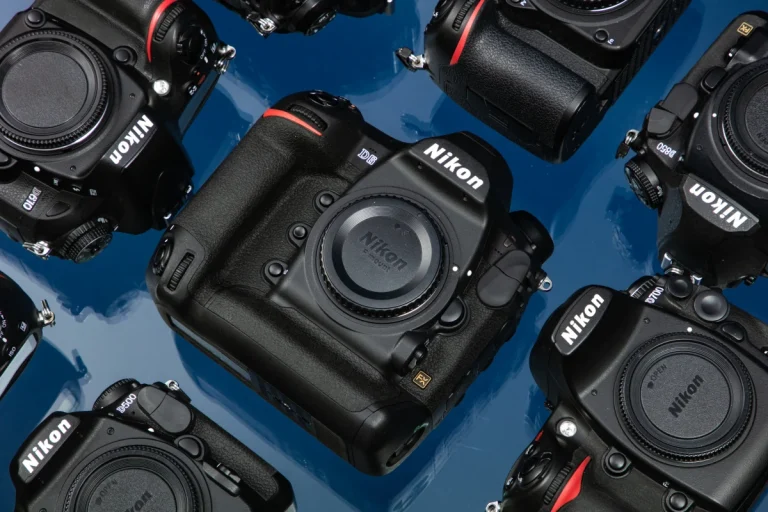
Emma’s journey into portrait photography began at family gatherings. Armed with her entry-level DSLR, she would snap candid shots of her siblings and relatives. While the photos were often blurry or poorly lit, Emma noticed something special: the fleeting expressions, the laughter, and the raw emotions she captured felt deeply meaningful.
Inspired by the human connection, Emma decided to focus on portraits. She began experimenting with different angles and settings, determined to improve her craft. The idea of capturing someone’s personality in a single frame intrigued her and set her on a path of learning and discovery.
Portrait photography demands an understanding of light and how it interacts with the subject. Emma started by experimenting with natural light, shooting outdoors during golden hour to achieve a soft, flattering glow. She also explored using window light indoors, positioning her subjects to create dramatic shadows and highlights.
Composition became another area of focus. Emma studied techniques like the rule of thirds, leading lines, and framing to create visually appealing images. She learned to direct her subjects to face the light or adjust their posture to add depth and interest.
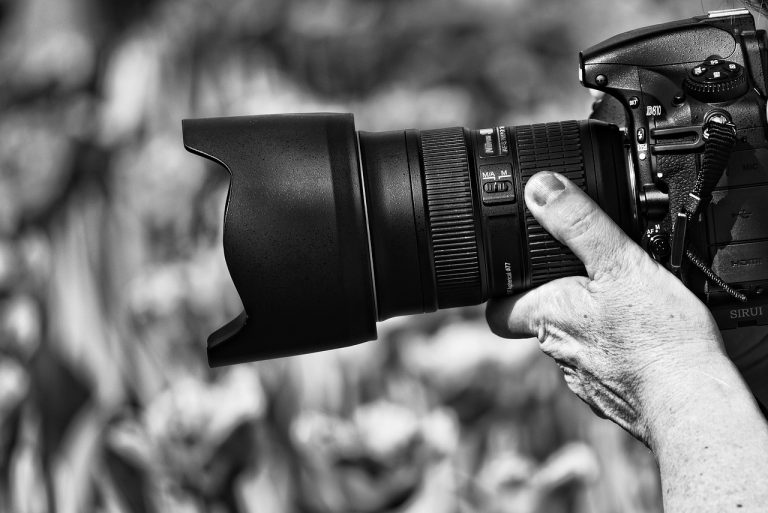
As Emma’s skills grew, she invested in a 50mm prime lens, often referred to as the “portrait lens.” Its wide aperture allowed her to create beautiful background blur, or bokeh, making her subjects stand out. This small upgrade transformed her portraits and boosted her confidence.
One of the biggest challenges Emma faced was working with people. Unlike landscapes or still objects, humans bring emotions, insecurities, and unpredictability to a shoot. Emma realized that creating a comfortable environment was essential to capturing authentic expressions.
Before every session, Emma took the time to chat with her subjects. She asked about their interests, made jokes to lighten the mood, and showed them previews of the shots to build trust. This approach helped her subjects relax, resulting in more natural and engaging portraits.
Emma’s journey was one of constant experimentation. She explored different styles of portrait photography, from formal studio setups to candid environmental portraits. She enjoyed taking lifestyle shots, capturing her subjects in their natural environments—at home, in a park, or at a workplace—to add context and narrative to her images.
Emma also experimented with creative techniques, such as using props, mirrors, or unconventional angles. She played with editing styles, from moody black-and-white tones to vibrant, colorful palettes, to discover her unique voice as a photographer.
Like any amateur, Emma encountered her fair share of challenges. One of the most frustrating was dealing with harsh midday sunlight, which often resulted in unflattering shadows. To overcome this, she learned to use reflectors or position her subjects in shaded areas.
Another hurdle was managing focus and sharpness, especially when shooting with a wide aperture. Emma practiced using her camera’s focus points and learned to lock focus on her subject’s eyes, ensuring they remained the focal point of her images.
Post-processing was another area of growth. Initially intimidated by editing software like Lightroom, Emma gradually became proficient, using it to enhance skin tones, adjust exposure, and fine-tune colors. She realized that editing was not about fixing mistakes but about bringing her artistic vision to life.
As Emma’s portfolio grew, she began sharing her work online. Social media platforms became a way to showcase her progress and connect with fellow photographers. The positive feedback and constructive critiques she received motivated her to keep improving.
Emma also started offering free portrait sessions to friends and family, gaining valuable experience and building her confidence. Over time, she began receiving requests from acquaintances for paid sessions. While she still considered herself an amateur, these opportunities validated her skills and encouraged her to take her craft more seriously.
For Emma, portrait photography became more than just a hobby—it became a way to celebrate the uniqueness of every individual. She loved capturing moments of vulnerability, joy, and connection, creating images that her subjects cherished.
One of her favorite projects involved photographing senior citizens at a local community center. These portraits, filled with wisdom and resilience, reminded Emma of the power of photography to preserve memories and honor stories.
If you’re an aspiring portrait photographer, Emma’s journey offers valuable lessons. Start by practicing with friends and family, and don’t be afraid to experiment. Learn to see light and how it shapes your subject. Focus on building a rapport with your subjects, as trust is the key to authentic portraits.
Remember, photography is a journey of growth. Embrace mistakes as learning opportunities and celebrate small victories along the way. Whether you’re shooting with a smartphone or a DSLR, the most important tool you have is your vision—your unique way of seeing and capturing the world.
Portrait photography is not just about taking pictures; it’s about connecting with people, telling their stories, and creating images that resonate. So pick up your camera, find your light, and start capturing the beauty in the people around you.